

The price of rice is a political choice
Every administration promises cheaper rice. The gap between the promise and the price is where policy actually lives.
There is a version of this story that gets told every year: the harvest is late, the imports are delayed, the traders are hoarding, and the price goes up.
Some of that is true. But the more uncomfortable truth is that the price of rice in the Philippines is not a weather event. It is a chain of decisions about tariffs, buffer stocks and who is allowed to import.
What we keep choosing
We keep choosing to protect the incomes of a small group of traders while asking households to absorb the difference. We keep choosing short-term import windows over long-term investment in irrigation and post-harvest facilities.
And we keep choosing to announce the price of rice as a political achievement rather than treat it as a baseline obligation.
What would change it
Nothing dramatic. Better data, published on time. Contracts that are transparent. A buffer stock that is actually audited. These are boring reforms, which is exactly why they keep losing to press conferences.
The rice on your table is not a mystery. It is a decision. Someone is making it.
Comments
0Sign in to join the conversation.
Loading comments
Older posts
 Opinion
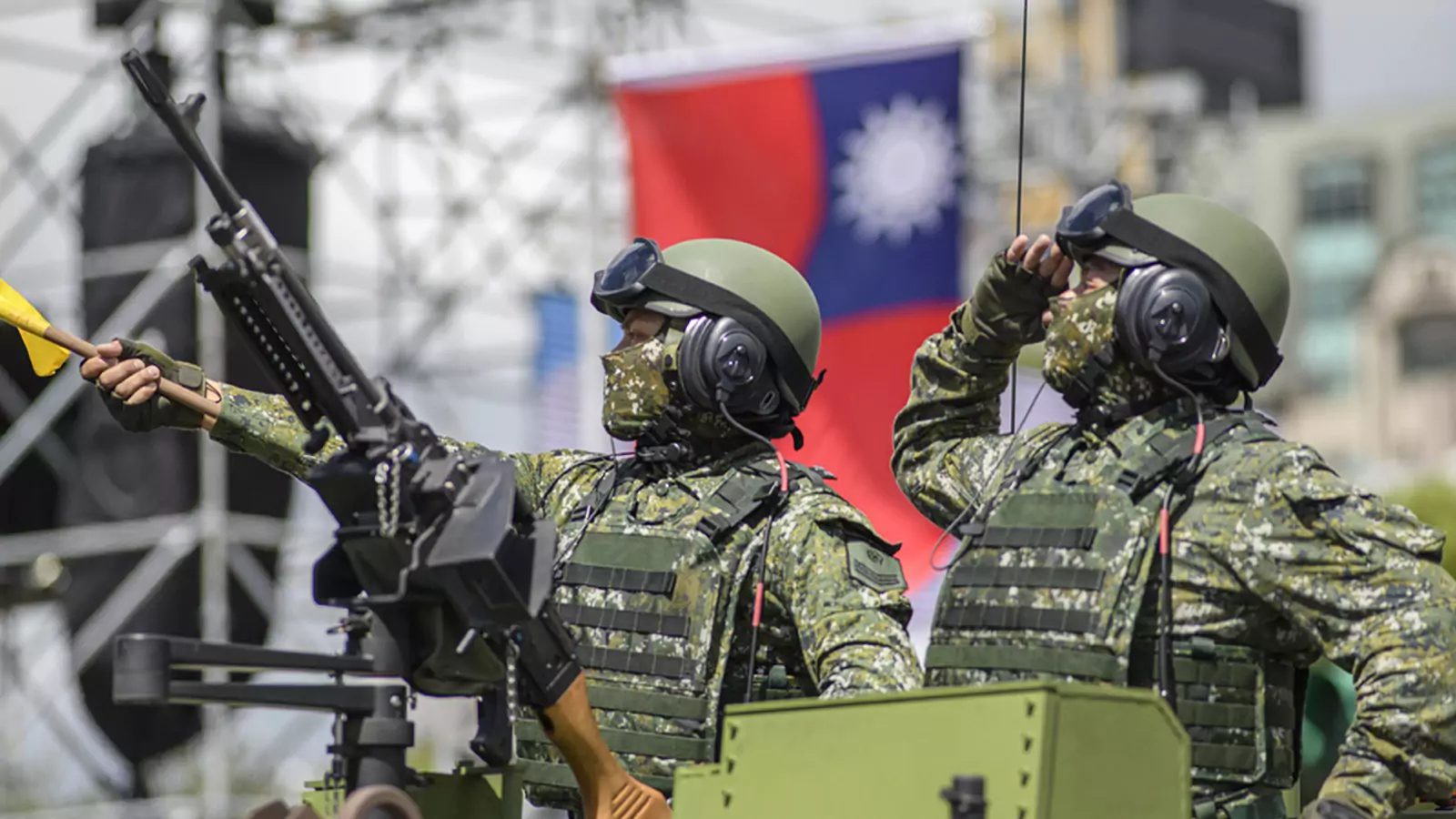
Beyond the 2027 Invasion Timeline: Diplomatic Isolation, Ontological Security, and the Politics of Taiwan’s Reunification
This paper challenges military-centered assessments of a possible People’s Republic of China (PRC) operation against Taiwan by 2027, arguing that Beijing’s calculations may depend not only on military readiness and economic costs but also on diplomatic recognition, international legitimacy, and political identity. It advances a conditional framework integrating ontological security theory, the Chinese sociological concept of mianzi (face), and recognition politics. The paper proposes that Taiwan’s declining diplomatic recognition could strengthen Beijing’s sovereignty narrative, create a perceived loss of face for Taiwan’s governing authorities, and alter the political conditions under which Beijing considers coercive or military unification. Drawing on official PRC statements, U.S. security assessments, and international relations scholarship, the analysis develops three propositions concerning recognition, status vulnerability, and coercive decision-making. It argues that complete diplomatic isolation could represent a significant political threshold without necessarily eliminating Taiwan’s international relationships or legitimizing the use of force. The paper contributes to cross-strait security studies by identifying diplomatic recognition as a potentially important condition that shapes Beijing’s assessment of the political feasibility and costs of unification, beyond conventional materialist explanations.
 Opinion
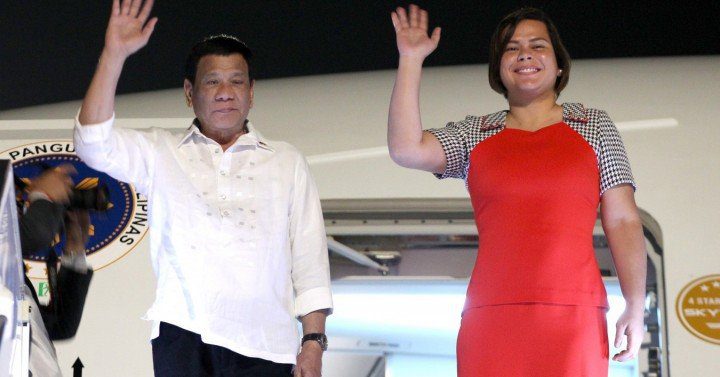
Was the Duterte Machine Building a Road Back to Malacanang? Possible Implications of Trillanes Expose on VP Sara Duterte and her husband receiving Chinese Money
The most consequential question emerging from the Philippine political crisis may no longer be whether the Marcos-Duterte alliance collapsed. It plainly did. The more consequential question is what the Duterte political machine was doing after the alliance collapsed — and how it intended to regain power. That question takes on a new and potentially explosive […]
 Opinion
Digital Front Doors: When Government Is Online but Public Service Is Still Hard to Find
As a resident of Manila, I have learned that dealing with local government increasingly begins not at City Hall, but on a screen. We search for requirements before leaving home. We look for tax information, permits, civil registry procedures, social assistance, ordinances, or a place to file a complaint. The official website has become, in […]