

PH startups bet on AI for disaster response
From flood mapping to text-based alert systems, a new wave of local teams is building for the country's hardest season.
A handful of Philippine startups are testing artificial intelligence against the country's most persistent problem: the speed at which information moves before, during and after a storm.
The projects are small and unglamorous. One maps flood depth from community reports. Another turns local radio transcripts into alerts that can be pushed to a phone in seconds.
Why local matters
Global models are good at weather. They are weaker at the last kilometer: the barangay road that floods at ankle height, the bridge that closes without notice, the sari-sari store that becomes an improvised evacuation point.
"Local data is the moat," one founder said. "Anyone can license a model. Not everyone has ten years of barangay reports."
The funding gap
Most of these teams are running on grants and small contracts. Scaling them will require government procurement that moves faster than the storms do.
Comments
0Sign in to join the conversation.
Loading comments
Older posts
The price of rice is a political choice
Every administration promises cheaper rice. The gap between the promise and the price is where policy actually lives.
 Opinion
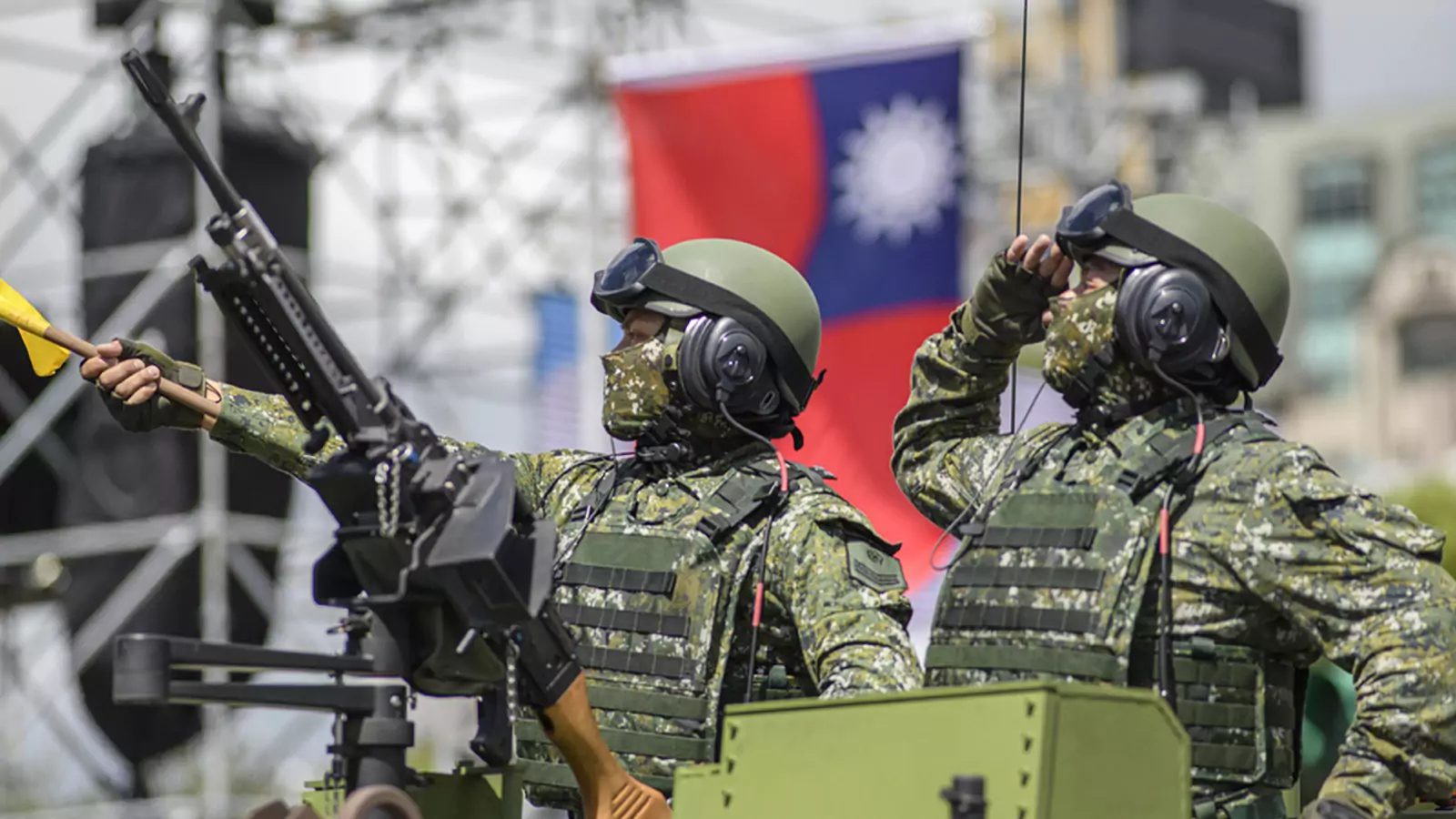
Beyond the 2027 Invasion Timeline: Diplomatic Isolation, Ontological Security, and the Politics of Taiwan’s Reunification
This paper challenges military-centered assessments of a possible People’s Republic of China (PRC) operation against Taiwan by 2027, arguing that Beijing’s calculations may depend not only on military readiness and economic costs but also on diplomatic recognition, international legitimacy, and political identity. It advances a conditional framework integrating ontological security theory, the Chinese sociological concept of mianzi (face), and recognition politics. The paper proposes that Taiwan’s declining diplomatic recognition could strengthen Beijing’s sovereignty narrative, create a perceived loss of face for Taiwan’s governing authorities, and alter the political conditions under which Beijing considers coercive or military unification. Drawing on official PRC statements, U.S. security assessments, and international relations scholarship, the analysis develops three propositions concerning recognition, status vulnerability, and coercive decision-making. It argues that complete diplomatic isolation could represent a significant political threshold without necessarily eliminating Taiwan’s international relationships or legitimizing the use of force. The paper contributes to cross-strait security studies by identifying diplomatic recognition as a potentially important condition that shapes Beijing’s assessment of the political feasibility and costs of unification, beyond conventional materialist explanations.
 Opinion
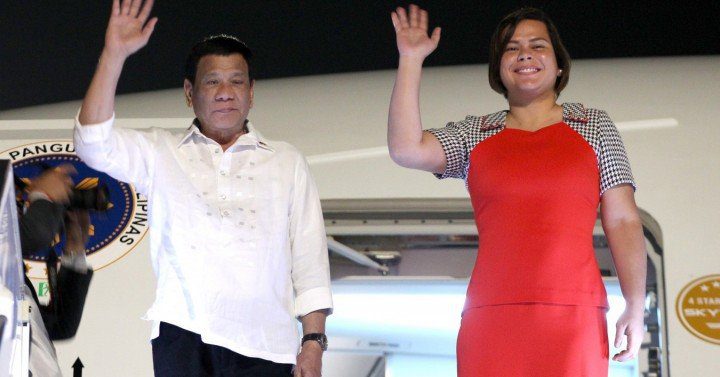
Was the Duterte Machine Building a Road Back to Malacanang? Possible Implications of Trillanes Expose on VP Sara Duterte and her husband receiving Chinese Money
The most consequential question emerging from the Philippine political crisis may no longer be whether the Marcos-Duterte alliance collapsed. It plainly did. The more consequential question is what the Duterte political machine was doing after the alliance collapsed — and how it intended to regain power. That question takes on a new and potentially explosive […]