

The Consequences of a Sara Duterte Conviction: A Warning to whom?
Sara Duterte warns of consequences if convicted by the Senate impeachment court. With her popularity declining, the approaching December verdict raises questions about accountability and political stability.

As the impeachment verdict approaches, the Vice President's cryptic remarks raise questions about political accountability, public confidence, and the limits of democratic defiance.
Vice President Sara Duterte says she is prepared for the worst. But when the country's second-highest elected official warns that a guilty impeachment verdict would bring "a lot of consequences," Filipinos are entitled to ask: consequences for whom?
For her political ambitions? For the Office of the Vice President? Or for a country that could find itself facing another round of political confrontation?
Duterte's recent remarks about preparing for a possible conviction included concerns about approximately 300 employees whose positions depend on her tenure and the possible relocation of her office. These are legitimate administrative considerations.
But her suggestion that the public could react negatively to the removal of an elected official introduces another dimension. It raises the question of whether she is simply preparing for an unfavorable verdict or preparing the public to view it as an affront to democratic choice.
There is a difference between accepting a constitutional outcome and warning about its political consequences.
**A declining political cushion ** The timing of Duterte's remarks is particularly significant because her political standing is showing signs of erosion.
An Inquirer report citing Octa Research documented a decline in her trust rating from 55 percent in March to 47 percent in July 2026. Her performance rating also fell from 50 percent to 45 percent.
Social Weather Stations likewise reported that her net satisfaction rating dropped from +31 in June to +21 in September.
These figures do not mean Duterte has lost her political constituency. She remains particularly popular in Mindanao, where her support remains substantial. Nor do declining ratings automatically translate into electoral defeat.
But they suggest that her political invulnerability can no longer be assumed.
For a politician whose national appeal has been built partly on a strong personal following, the erosion of public confidence makes the coming impeachment verdict even more consequential.
**December's constitutional test ** The Senate impeachment court is approaching a critical decision.
Senate spokesperson Reginald Tongol previously identified December 16 as a possible target for a verdict. On November 28, House prosecution spokesperson Benjamin Jay Tolosa Jr. said December 18 was being eyed, depending on the completion of the defense presentation and other proceedings.
The difference between those dates is secondary. What matters is that the country is approaching the conclusion of a constitutional process involving allegations that Duterte has denied.
Her critics, including House prosecution representatives Ace Barbers and Jay Tolosa, have questioned her repeated characterization of the proceedings as politically motivated and her rhetoric toward the impeachment process. They have argued that such statements risk undermining public confidence in the institution.
Duterte, however, is entitled to defend herself and criticize the proceedings. The Senate, in turn, must decide the case on the evidence, not political pressure.
The real consequences
It would be premature to interpret Duterte's remarks as an explicit threat. They may simply reflect concern about the political and administrative consequences of losing office.
Nevertheless, a Vice President must recognize that her words carry institutional weight. Her audience includes not only political supporters but also the military, the bureaucracy, investors and ordinary Filipinos concerned about stability.
Duterte received more than 32 million votes in 2022. That mandate deserves respect, but it does not exempt her from constitutional accountability.
If acquitted, she should be free to resume her duties and pursue her political ambitions. If convicted, she must accept the constitutional consequences and pursue whatever legal remedies remain available.
The same obligation applies to her opponents: impeachment must never become an instrument of political vengeance.
Ultimately, the question is not simply what Sara Duterte means by saying a guilty verdict will have consequences.
It is whether she, her supporters and her political opponents are prepared to accept the consequences of a democratic process that may not deliver the outcome they want.
That is the real test of political maturity—and one that goes far beyond December 16 or 18.
Comments
0Sign in to join the conversation.
Loading comments
Older posts
The price of rice is a political choice
Every administration promises cheaper rice. The gap between the promise and the price is where policy actually lives.
 Opinion
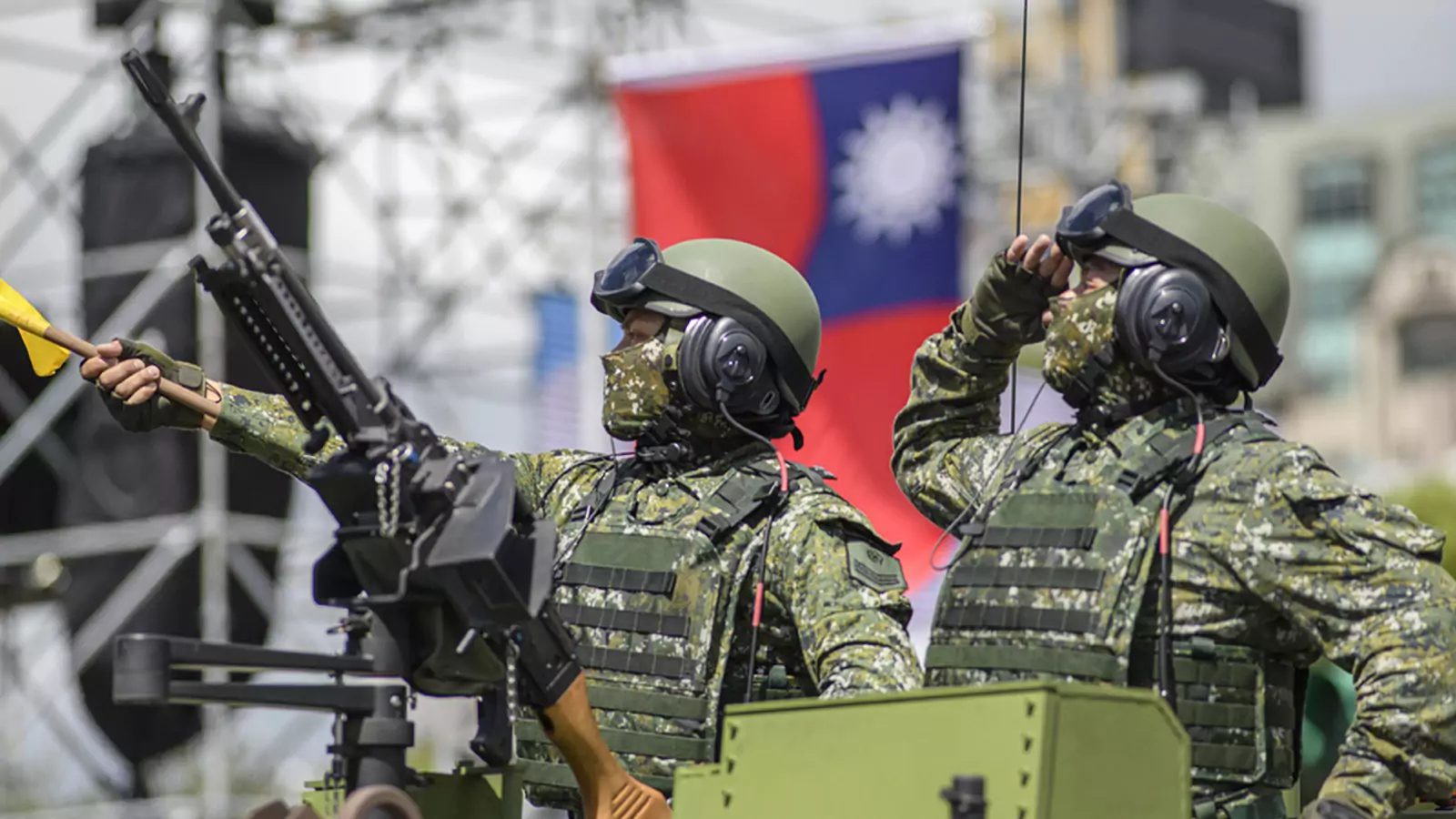
Beyond the 2027 Invasion Timeline: Diplomatic Isolation, Ontological Security, and the Politics of Taiwan’s Reunification
This paper challenges military-centered assessments of a possible People’s Republic of China (PRC) operation against Taiwan by 2027, arguing that Beijing’s calculations may depend not only on military readiness and economic costs but also on diplomatic recognition, international legitimacy, and political identity. It advances a conditional framework integrating ontological security theory, the Chinese sociological concept of mianzi (face), and recognition politics. The paper proposes that Taiwan’s declining diplomatic recognition could strengthen Beijing’s sovereignty narrative, create a perceived loss of face for Taiwan’s governing authorities, and alter the political conditions under which Beijing considers coercive or military unification. Drawing on official PRC statements, U.S. security assessments, and international relations scholarship, the analysis develops three propositions concerning recognition, status vulnerability, and coercive decision-making. It argues that complete diplomatic isolation could represent a significant political threshold without necessarily eliminating Taiwan’s international relationships or legitimizing the use of force. The paper contributes to cross-strait security studies by identifying diplomatic recognition as a potentially important condition that shapes Beijing’s assessment of the political feasibility and costs of unification, beyond conventional materialist explanations.
 Opinion
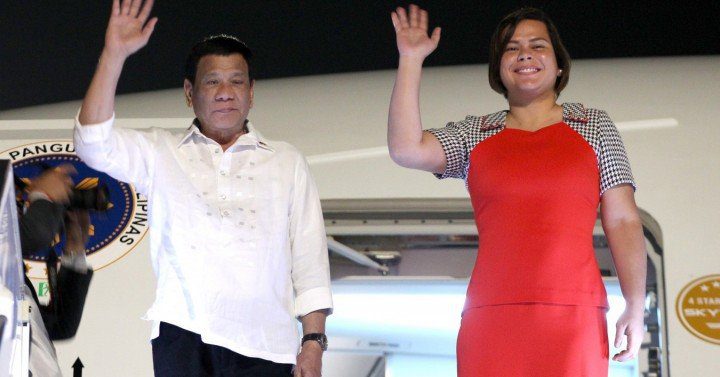
Was the Duterte Machine Building a Road Back to Malacanang? Possible Implications of Trillanes Expose on VP Sara Duterte and her husband receiving Chinese Money
The most consequential question emerging from the Philippine political crisis may no longer be whether the Marcos-Duterte alliance collapsed. It plainly did. The more consequential question is what the Duterte political machine was doing after the alliance collapsed — and how it intended to regain power. That question takes on a new and potentially explosive […]