

Game seven delivers the loudest night of the PBA season
A sold-out arena, a last-second bucket and a finish that will be replayed in Philippine households for years.
Game sevens do not always live up to the hype. This one did.
With the score tied and the shot clock bleeding out, the ball found its way to the corner, and the arena held its breath. The shot went in. The bench emptied. The confetti came early and nobody minded.
The numbers behind the noise
The series was decided by margins: rebounding, free throws, and a bench that outscored its counterpart in four of seven games. Coaches will study the film for months.
What it meant
For the winning franchise, it ends a drought that had started to feel permanent. For the losing side, it is the kind of loss that reshapes a roster in the offseason.
And for the crowd that stayed past midnight outside the arena, it was simply the best night of the year.
Comments
0Sign in to join the conversation.
Loading comments
Older posts
PH startups bet on AI for disaster response
From flood mapping to text-based alert systems, a new wave of local teams is building for the country's hardest season.
The price of rice is a political choice
Every administration promises cheaper rice. The gap between the promise and the price is where policy actually lives.
 Opinion
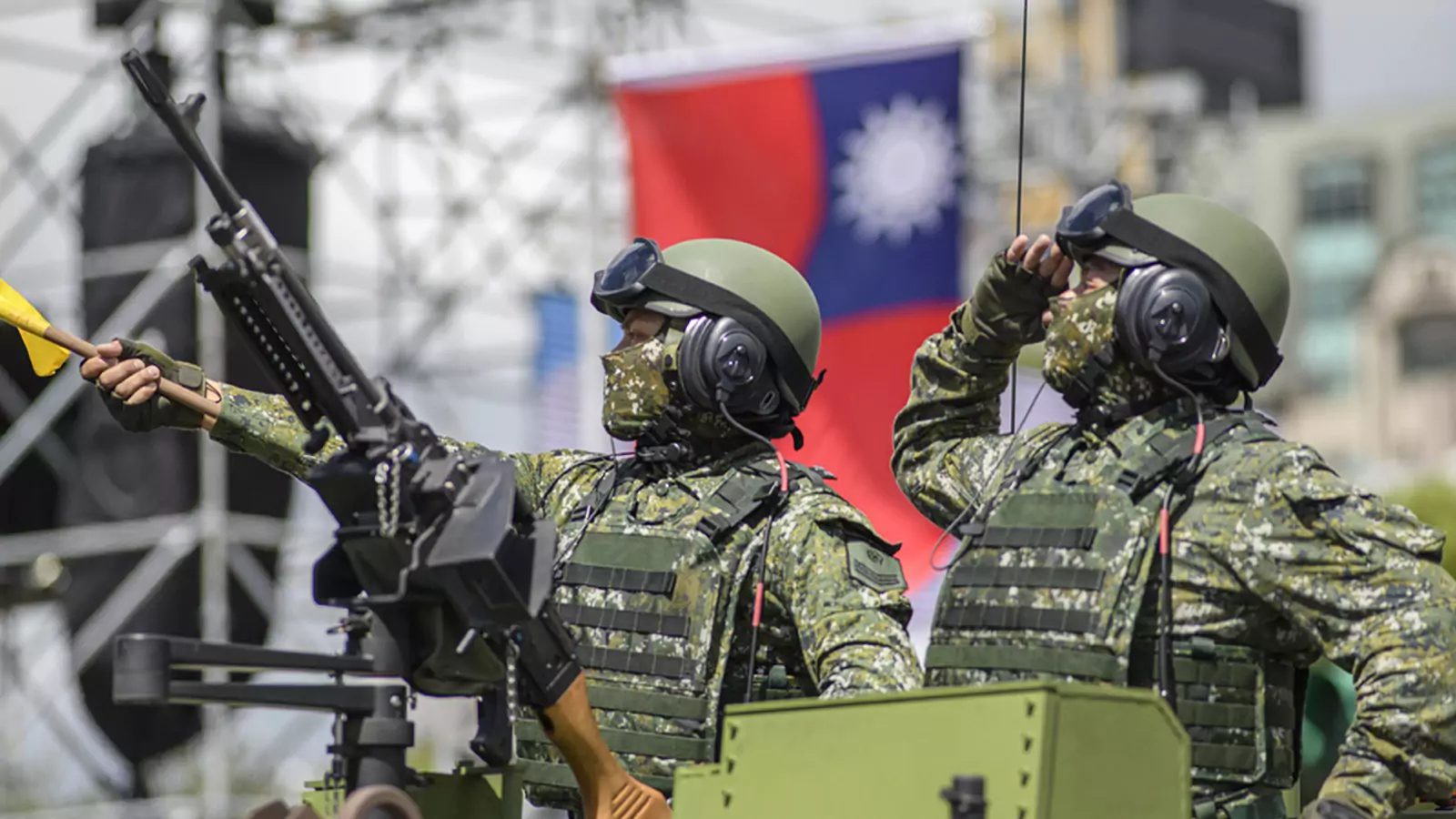
Beyond the 2027 Invasion Timeline: Diplomatic Isolation, Ontological Security, and the Politics of Taiwan’s Reunification
This paper challenges military-centered assessments of a possible People’s Republic of China (PRC) operation against Taiwan by 2027, arguing that Beijing’s calculations may depend not only on military readiness and economic costs but also on diplomatic recognition, international legitimacy, and political identity. It advances a conditional framework integrating ontological security theory, the Chinese sociological concept of mianzi (face), and recognition politics. The paper proposes that Taiwan’s declining diplomatic recognition could strengthen Beijing’s sovereignty narrative, create a perceived loss of face for Taiwan’s governing authorities, and alter the political conditions under which Beijing considers coercive or military unification. Drawing on official PRC statements, U.S. security assessments, and international relations scholarship, the analysis develops three propositions concerning recognition, status vulnerability, and coercive decision-making. It argues that complete diplomatic isolation could represent a significant political threshold without necessarily eliminating Taiwan’s international relationships or legitimizing the use of force. The paper contributes to cross-strait security studies by identifying diplomatic recognition as a potentially important condition that shapes Beijing’s assessment of the political feasibility and costs of unification, beyond conventional materialist explanations.